 Forum
Forum Registrieren
extra für SKY KeepRacingRacer, senna 1985 und HaroldDemure:
3.7 Front bodywork :
3.7.1 All bodywork situated forward of a point lying 330mm behind the front wheel centre line, and more than
250mm from the car centre line, must be no less than 75mm and no more than 275mm above the
reference plane.
The Skid Block was introduced as part of the safety changes that followed Ayrton Senna's death.
The plank does not in itself restrict airflow under the car. It is used as a gauge which restricts the minimum ride height attainable by the car. The closer the car is to the ground, the more efficient the front wing and rear diffuser. The higher the down force levels, the faster a driver may corner. Cornering at high speed is considered excessively dangerous and so the skid block was introduced to counteract this.
3.17 Bodywork flexibility :
3.17.1 Bodywork may deflect no more than 20mm vertically when a 1000N load is applied vertically to it 800mm
forward of the front wheel centre line and 795mm from the car centre line. The load will be applied in a
downward direction using a 50mm diameter ram to the centre of area of an adapter measuring 300mm x
150mm, the 300mm length having been positioned parallel to the car centre line. Teams must supply the
adapter when such a test is deemed necessary.
The deflection will be measured along the loading axis at the bottom of the bodywork at this point and
relative to the reference plane.
3.17.2 Bodywork may deflect no more than 10mm vertically when a 500N load is applied vertically to it 450mm
forward of the rear wheel centre line and 650mm from the car centre line. The load will be applied in a
downward direction using a 50mm diameter ram and an adapter of the same size. Teams must supply the
latter when such a test is deemed necessary.
3.17.3 Bodywork may deflect by no more than one degree horizontally when a load of 1000N is applied
simultaneously to its extremities in a rearward direction 925mm above the reference plane and 20mm
forward of the forward edge of the rear wing endplate.
3.17.4 Bodywork may deflect no more than 2mm vertically when a 500N load is applied simultaneously to each
side of it 200mm behind the rear wheel centre line, 325mm from the car centre line and 970mm above the
reference plane. The deflection will be measured at the outer extremities of the bodywork at a point
345mm behind the rear wheel centre line.
The load will be applied in a downward direction through pads measuring 200mm x 100mm which conform
to the shape of the bodywork beneath them, and with their uppermost horizontal surface 970mm above the
reference plane. The load will be applied to the centre of area of the pads. Teams must supply the latter
when such a test is deemed necessary.
3.17.5 Bodywork may deflect no more than 5mm vertically when a 2000N load is applied vertically to it at three
different points which lie on the car centre line and 100mm either side of it. Each of these loads will be
applied in an upward direction at a point 380mm rearward of the front wheel centre line using a 50mm
diameter ram in the two outer locations and a 70mm diameter ram on the car centre line. Stays or
structures between the front of the bodywork lying on the reference plane and the survival cell may be
present for this test, provided they are completely rigid and have no system or mechanism which allows
non-linear deflection during any part of the test.
Furthermore, the bodywork being tested in this area may not include any component which is capable of
allowing more than the permitted amount of deflection under the test load (including any linear deflection
above the test load), such components could include, but are not limited to :
a) Joints, bearings pivots or any other form of articulation.
b) Dampers, hydraulics or any form of time dependent component or structure.
c) Buckling members or any component or design which may have, or is suspected of having, any
non-linear characteristics.
d) Any parts which may systematically or routinely exhibit permanent deformation.
3.17.6 The uppermost aerofoil element lying behind the rear wheel centre line may deflect no more than 5mm
horizontally when a 500N load is applied horizontally. The load will be applied 950mm above the reference
plane at three separate points which lie on the car centre line and 190mm either side of it. The loads will be
applied in a rearward direction using a suitable 25mm wide adapter which must be supplied by the relevant
team.
3.17.7 The forward-most aerofoil element lying behind the rear wheel centre line and which lies more than 730mm
above the reference plane may deflect no more than 2mm vertically when a 200N load is applied vertically.
The load will be applied in line with the trailing edge of the element at any point across its width. The loads
will be applied using a suitable adapter, supplied by the relevant team, which :
- may be no more than 50mm wide ;
- which extends no more than 10mm forward of the trailing edge ;
- incorporates an 8mm female thread in the underside.
3.17.8 In order to ensure that the requirements of Article 3.15 are respected, the FIA reserves the right to
introduce further load/deflection tests on any part of the bodywork which appears to be (or is suspected of),
moving whilst the car is in motion.

F1 2011 technische Details: Pix, Videos, Links, Ideen etc.
 Montag, 31. Oktober 2011
WER IS TÜFF ??

OFFICIAL FORMULA ONE WORLD CHAMPION 2011(c)
OFFICIAL FORMULA ONE WORLD CHAMPION 2011(c)
Montag, 31. Oktober 2011
Quelle: ams
nach dem video sind noch mehrere zur auswahl. guckt euch danach folgendes an.
F1-Technikvideo: Das Red Bull-Geheimnis
http://www.auto-motor-und-sport.de/form ... 1169304001
Red Bull vermisst Frontflügel
"Ich habe davon gehört", lächelte Chefdesigner Adrian Newey in Singapur gequält, "aber ich verzichte darauf, mir das anzutun." Mark Webber winkt ab: "Adrian hat beide WM-Titel in der Tasche. In seinem Kopf ist nur noch das 2012er Auto. Das 2011er ist abgehakt." Viel schlimmer, so Newey, sei die Geschichte mit dem abgerissenen Frontflügel: "Wir haben nur die Hälfte zurückgekriegt. Die andere ist wahrscheinlich in Maranello."
Ganz ohne Nebengeräusche geht der Fall nicht ab. Wie auto motor und sport in seiner aktuellen Ausgabe (Heft 22, ab dem 6. Oktober im Handel) enthüllt, hat die Konkurrenz Unregelmäßigkeiten entdeckt. Der vordere Teil des Unterbodens weist auf eine Länge von 30 Zentimetern gleichmäßige Kratzspuren auf. Sie brechen exakt vor dem Punkt ab, an dem die FIA die Biegsamkeit misst.
Red Bull-Unterboden illegal?
Der Verdacht: Das nach vorne angestellte Auto kratzt nicht nur mit der vorderen Kante des Bodens auf der Straße, sondern mit einer viel größeren Fläche, die dann kontrolliert vor dem Messpunkt abknickt. Das wäre nicht legal.
Auch sonst regt sich Unmut über Red Bull. Man fragt sich, wie es im Rahmen des Kostenreduzierungsplans möglich ist, ein Monza-Spezial-Kit zu bauen. "Drei Sätze Flügel, Verkleidung und Unterböden kosten in der Produktion 800.000 Euro. Dazu die Windkanalkosten. Für uns wäre es unverantwortlich, so viel Geld für ein Rennen zu opfern. Da müssten wir anderweitig sparen", rechnet Mercedes-Teamchef Ross Brawn vor.
Jedes Grand Prix-Wochenende beginnt das Versteckspiel aufs Neue. Wenn alle Autos in der Startaufstellung stehen, ist bei Red Bull immer am meisten los. Hier tummeln sich die Ingenieure der Konkurrenz, um die einzige Chance des Wochenendes zu nutzen, sich den RB7 im Stand aus der Nähe anzuschauen. Als Abwehrmaßnahme lässt Teamchef Christian Horner seine Mechaniker vor dem besonders sensiblen Heckbereich im Halbkreis aufstellen, um allzu tiefe Einblicke zu vermeiden.
Kopieren gehört in der Formel 1 zum guten Handwerk. Und bei Red Bull gibt es bekanntlich immer etwas zu entdecken. Besonders sensibel reagieren die "Wachmänner", wenn sich ein Fotograf dem Heck nähern. Da wird auch mal geschubst und gepöbelt, wenn das Objektiv in Richtung Auspuff-Endrohr oder Diffusor gerichtet wird. Beim Katz und Maus-Spiel hatte Red Bull zumeist die Oberhand. Wer die filigran geformten Luftkanäle im Heck fotografieren wollte, musste sich schon in der Boxengasse auf die Lauer legen und schnell am Abzug sein.
Doch in Monza wendete sich das Blatt. Mark Webber krachte mit seinem Auto in der Parabolica in die Reifenstapel und die Fotografen hatten plötzlich leichtes Spiel. Das Auto stand ungeschützt auf dem Präsentierteller. Zur Freude der Spione halfen auch die Streckenposten mit. Der Red Bull wurde per Kran in die Luft bugsiert und erst einmal ein paar Minuten hängengelassen, bis alle Schüsse im Kasten waren.
Besonderes Interesse bei der Konkurrenz ruft die Holzplatte am Unterboden hervor. Der vordere Teil weist ungewöhnliche Abnutzungsspuren auf. Die ersten 30 Zentimeter des Splitters scheinen während der Fahrt gleichmäßig auf dem Asphalt zu schleifen. Bei anderen Autos sind die Kerben eher unregelmäßig über die gesamte Bodenplatte verteilt.
Die Konkurrenz vermutet, dass der vordere Teil der Platte flexibel ist, um den Frontflügel näher an den Asphalt zu bringen. Das wäre allerdings illegal. Doch bisher fiel das Auto bei den FIA-Tests nicht negativ auf. Der englische Technikexperte Craig Scarborough hat auf seiner eine interessante Theorie dazu verfasst, wie Red Bull das Kunststück hinbekommt. Seiner Meinung nach ist der Unterboden mit einer achsgelagerten Aufhängung mit dem Chassis verbunden.
Das System funktioniert seiner Meinung nach wie eine umgekehrte Wippe: Bei höheren Geschwindigkeiten zieht der Abtrieb des Frontflügels den Splitter auf den Asphalt. Der vordere Teil des Unterbodens wird durch das Schleifen auf der Piste nach oben gedrückt. Der Teil hinter der Achse wird wie bei einer Wippe gleichzeitig nach unten gedrückt. Dadurch liegt der Unterboden im vorderen Teil plan auf dem Asphalt auf, die Kräfte werden besser verteilt und die Holzplatte nicht zu stark abgenutzt.
Die FIA überprüft die Flexibilität des Splitters mit hydraulischen Stempeln. In der Testanordnnug wird der Unterboden mit der gesamten Länge auf eine ebene Fläche gestellt. Die Stempel versuchen dann den vorderen Teil mit vorgegebenen Kräften nach oben zu drücken. Da der hintere Teil hinter der Drehachse in der Ausgangsstellung schon flach auf dem Boden liegt, ist die Wippe blockiert. Somit kann sich auch der vordere Teil nicht mehr verbiegen.
Wippen-Lösung wäre illegal.
Auf Nachfrage von auto motor und sport hält die FIA ein solches System prinzipiell für möglich, betont gleichzeitig aber auch noch einmal, dass es illegal wäre. Auch die Konkurrenz hat von der Theorie Wind bekommen. Angeblich hat ein Spitzenteam auch schon eine offizielle Anfrage an die Regelhüter gestellt. Was sich unter der Verkleidung verbirgt, können auch die Foto-Spione nicht herausfinden. Die FIA könnte allerdings ihr Testverfahren ändern.
nach dem video sind noch mehrere zur auswahl. guckt euch danach folgendes an.
F1-Technikvideo: Das Red Bull-Geheimnis
http://www.auto-motor-und-sport.de/form ... 1169304001
Red Bull vermisst Frontflügel
"Ich habe davon gehört", lächelte Chefdesigner Adrian Newey in Singapur gequält, "aber ich verzichte darauf, mir das anzutun." Mark Webber winkt ab: "Adrian hat beide WM-Titel in der Tasche. In seinem Kopf ist nur noch das 2012er Auto. Das 2011er ist abgehakt." Viel schlimmer, so Newey, sei die Geschichte mit dem abgerissenen Frontflügel: "Wir haben nur die Hälfte zurückgekriegt. Die andere ist wahrscheinlich in Maranello."
Ganz ohne Nebengeräusche geht der Fall nicht ab. Wie auto motor und sport in seiner aktuellen Ausgabe (Heft 22, ab dem 6. Oktober im Handel) enthüllt, hat die Konkurrenz Unregelmäßigkeiten entdeckt. Der vordere Teil des Unterbodens weist auf eine Länge von 30 Zentimetern gleichmäßige Kratzspuren auf. Sie brechen exakt vor dem Punkt ab, an dem die FIA die Biegsamkeit misst.
Red Bull-Unterboden illegal?
Der Verdacht: Das nach vorne angestellte Auto kratzt nicht nur mit der vorderen Kante des Bodens auf der Straße, sondern mit einer viel größeren Fläche, die dann kontrolliert vor dem Messpunkt abknickt. Das wäre nicht legal.
Auch sonst regt sich Unmut über Red Bull. Man fragt sich, wie es im Rahmen des Kostenreduzierungsplans möglich ist, ein Monza-Spezial-Kit zu bauen. "Drei Sätze Flügel, Verkleidung und Unterböden kosten in der Produktion 800.000 Euro. Dazu die Windkanalkosten. Für uns wäre es unverantwortlich, so viel Geld für ein Rennen zu opfern. Da müssten wir anderweitig sparen", rechnet Mercedes-Teamchef Ross Brawn vor.
Jedes Grand Prix-Wochenende beginnt das Versteckspiel aufs Neue. Wenn alle Autos in der Startaufstellung stehen, ist bei Red Bull immer am meisten los. Hier tummeln sich die Ingenieure der Konkurrenz, um die einzige Chance des Wochenendes zu nutzen, sich den RB7 im Stand aus der Nähe anzuschauen. Als Abwehrmaßnahme lässt Teamchef Christian Horner seine Mechaniker vor dem besonders sensiblen Heckbereich im Halbkreis aufstellen, um allzu tiefe Einblicke zu vermeiden.
Kopieren gehört in der Formel 1 zum guten Handwerk. Und bei Red Bull gibt es bekanntlich immer etwas zu entdecken. Besonders sensibel reagieren die "Wachmänner", wenn sich ein Fotograf dem Heck nähern. Da wird auch mal geschubst und gepöbelt, wenn das Objektiv in Richtung Auspuff-Endrohr oder Diffusor gerichtet wird. Beim Katz und Maus-Spiel hatte Red Bull zumeist die Oberhand. Wer die filigran geformten Luftkanäle im Heck fotografieren wollte, musste sich schon in der Boxengasse auf die Lauer legen und schnell am Abzug sein.
Doch in Monza wendete sich das Blatt. Mark Webber krachte mit seinem Auto in der Parabolica in die Reifenstapel und die Fotografen hatten plötzlich leichtes Spiel. Das Auto stand ungeschützt auf dem Präsentierteller. Zur Freude der Spione halfen auch die Streckenposten mit. Der Red Bull wurde per Kran in die Luft bugsiert und erst einmal ein paar Minuten hängengelassen, bis alle Schüsse im Kasten waren.
Besonderes Interesse bei der Konkurrenz ruft die Holzplatte am Unterboden hervor. Der vordere Teil weist ungewöhnliche Abnutzungsspuren auf. Die ersten 30 Zentimeter des Splitters scheinen während der Fahrt gleichmäßig auf dem Asphalt zu schleifen. Bei anderen Autos sind die Kerben eher unregelmäßig über die gesamte Bodenplatte verteilt.
Die Konkurrenz vermutet, dass der vordere Teil der Platte flexibel ist, um den Frontflügel näher an den Asphalt zu bringen. Das wäre allerdings illegal. Doch bisher fiel das Auto bei den FIA-Tests nicht negativ auf. Der englische Technikexperte Craig Scarborough hat auf seiner eine interessante Theorie dazu verfasst, wie Red Bull das Kunststück hinbekommt. Seiner Meinung nach ist der Unterboden mit einer achsgelagerten Aufhängung mit dem Chassis verbunden.
Das System funktioniert seiner Meinung nach wie eine umgekehrte Wippe: Bei höheren Geschwindigkeiten zieht der Abtrieb des Frontflügels den Splitter auf den Asphalt. Der vordere Teil des Unterbodens wird durch das Schleifen auf der Piste nach oben gedrückt. Der Teil hinter der Achse wird wie bei einer Wippe gleichzeitig nach unten gedrückt. Dadurch liegt der Unterboden im vorderen Teil plan auf dem Asphalt auf, die Kräfte werden besser verteilt und die Holzplatte nicht zu stark abgenutzt.
Die FIA überprüft die Flexibilität des Splitters mit hydraulischen Stempeln. In der Testanordnnug wird der Unterboden mit der gesamten Länge auf eine ebene Fläche gestellt. Die Stempel versuchen dann den vorderen Teil mit vorgegebenen Kräften nach oben zu drücken. Da der hintere Teil hinter der Drehachse in der Ausgangsstellung schon flach auf dem Boden liegt, ist die Wippe blockiert. Somit kann sich auch der vordere Teil nicht mehr verbiegen.
Wippen-Lösung wäre illegal.
Auf Nachfrage von auto motor und sport hält die FIA ein solches System prinzipiell für möglich, betont gleichzeitig aber auch noch einmal, dass es illegal wäre. Auch die Konkurrenz hat von der Theorie Wind bekommen. Angeblich hat ein Spitzenteam auch schon eine offizielle Anfrage an die Regelhüter gestellt. Was sich unter der Verkleidung verbirgt, können auch die Foto-Spione nicht herausfinden. Die FIA könnte allerdings ihr Testverfahren ändern.
WER IS TÜFF ??
OFFICIAL FORMULA ONE WORLD CHAMPION 2011(c)
OFFICIAL FORMULA ONE WORLD CHAMPION 2011(c)
Montag, 31. Oktober 2011
flexible nase:

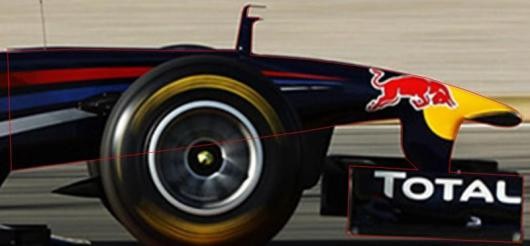


flexibler frontflügel


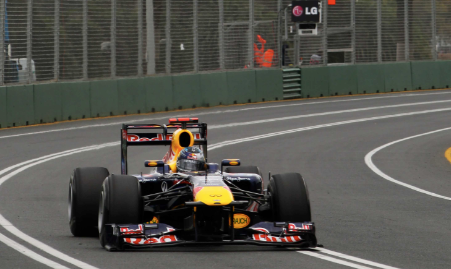
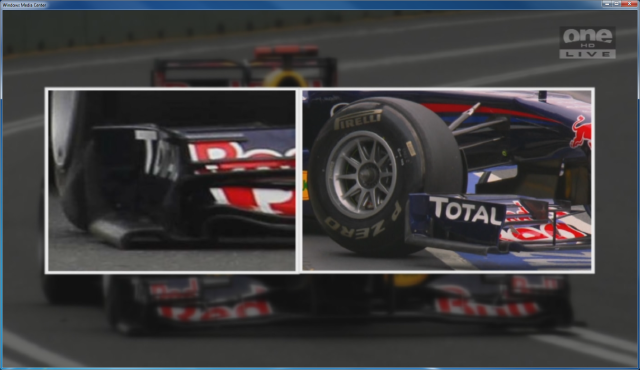
so SKY, klär mich mal auf. was machen die da?? jetz erzähl mir nicht, meine physikbücher wären kaputt. nimm doch einfach mal ein kunststofflineal und verbiege es mehrmals an einer bestimmten stelle und messe mal nach, ob die temperatur vorher und nachher.


flexibler unterboden


flexibler frontflügel
so SKY, klär mich mal auf. was machen die da?? jetz erzähl mir nicht, meine physikbücher wären kaputt. nimm doch einfach mal ein kunststofflineal und verbiege es mehrmals an einer bestimmten stelle und messe mal nach, ob die temperatur vorher und nachher.
flexibler unterboden
WER IS TÜFF ??
OFFICIAL FORMULA ONE WORLD CHAMPION 2011(c)
OFFICIAL FORMULA ONE WORLD CHAMPION 2011(c)
Montag, 31. Oktober 2011

Langweilt dich das Thema nicht selbst langsam? Seit Beginn der Saison willst du Red Bull da irgendwas andichten und seit eh und je wird die Kiste als legal erklärt - auch wenn du noch sooft irgendwelche nichtssagenden Bilder postest oder Artikel voller Spekulationen zitierst.
Montag, 31. Oktober 2011

Also ich finde das Thema interessant

Montag, 31. Oktober 2011
Das für dich Spekulationen und haltlose Anschuldigungen interessant sind, verwundert dagegen gar nicht.
Montag, 31. Oktober 2011
Von dir war nichts anderes zu erwarten !
Das mit Goethe und der Knollenfrucht haben wir hier ja schon des öfteren erwähnt von daher wundert es nicht das die Knollenfrucht mit einer Diskussion über Faust und die Gretel nichts anfangen kann sondern lediglich Auerbachs Keller kennt ,weil da bekanntlich der Kartoffelschnaps die meisten Prozente hat .
Das mit Goethe und der Knollenfrucht haben wir hier ja schon des öfteren erwähnt von daher wundert es nicht das die Knollenfrucht mit einer Diskussion über Faust und die Gretel nichts anfangen kann sondern lediglich Auerbachs Keller kennt ,weil da bekanntlich der Kartoffelschnaps die meisten Prozente hat .
Montag, 31. Oktober 2011

https://www.motorsport-magazin.com/forme ... l#comments
ich bin der meinung, dass der RB7 und 2010 der RB6 nicht ganz dem reglement entsprechen. ferrari und mclaren übernehmen aber schon sichtbar einige eigenschaften des RB7, auch wenn dabei wieder ein sinnloser test seitens der fia durch geführt wird. der flügel produziert um ein vielfaches mehr abtrieb, als man beim test überhaupt prüft. auf einen frontflügel können sich locker 8 erwachsene männer stellen! die fia stelle aber nur jeweils einen man auf die seite. der test ist lächerlich. das ich in etwas so, wie wenn ein kleines 5 jähriges mädchen, in 60 sekunden 60 walnüsse knacken müsste. die würd nach einer minute dürch ihr röckchen kacken und hätte immer noch keine nuss geknackt.
WER IS TÜFF ??
OFFICIAL FORMULA ONE WORLD CHAMPION 2011(c)
OFFICIAL FORMULA ONE WORLD CHAMPION 2011(c)
Montag, 31. Oktober 2011
1885 hat geschrieben:
ich bin der meinung, dass der RB7 und 2010 der RB6 nicht ganz dem reglement entsprechen.
Tja, nur kannst dir davon nichts kaufen. Der Meinung waren auch andere und haben es prüfen lassen und nichts kam bei raus.
Da helfen uns auch keine netten Bildchen oder Spekulationen von Freizeit-Ingenieuren weiter, die im Prinzip nichts aussagen.
Montag, 31. Oktober 2011
langweilen? ich liebe die langweilige geschichte der formel 1 rennwagen. besonders die technik ist der hammer. es gibt da die geilsten entwicklungen. ich glaub weit weniger als 1% der f1 fans befassen sich wirklich mit der technik der rennwagen. allein die entwicklung eines einzigen rennwagens während der saison ist für mich höchst interessant! also wenn ihr euch lieber über alonso, vettel und hamilton unterhalten wollt, dann bitte interessante aussagen und meinungen über deren fahrverhalten und technische details.
fällt euch da irgendwas ungewöhnliches auf?
MGP W02
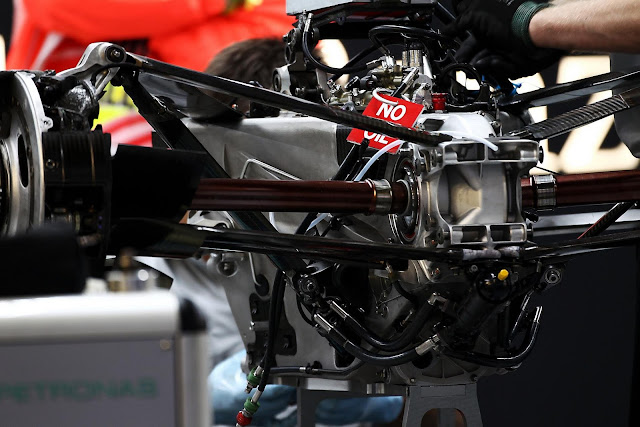
R31
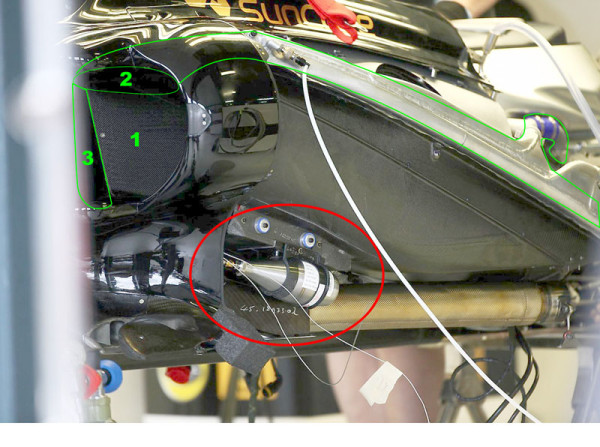
fällt euch da irgendwas ungewöhnliches auf?
MGP W02
R31
WER IS TÜFF ??
OFFICIAL FORMULA ONE WORLD CHAMPION 2011(c)
OFFICIAL FORMULA ONE WORLD CHAMPION 2011(c)
Montag, 31. Oktober 2011
thebbt hat geschrieben:
1885 hat geschrieben:
ich bin der meinung, dass der RB7 und 2010 der RB6 nicht ganz dem reglement entsprechen.
Tja, nur kannst dir davon nichts kaufen. Der Meinung waren auch andere und haben es prüfen lassen und nichts kam bei raus.
Da helfen uns auch keine netten Bildchen oder Spekulationen von Freizeit-Ingenieuren weiter, die im Prinzip nichts aussagen.
kennst du die abtriebswerte, die so ein frontflügel produziert? kennst du die belastung dabei? kennst du die belastung im verhältnis dazu die so ein fia test ausmacht? weisst du was smart materials sind? die technische entwicklung von red bull seit 2005 bis heute? newey ist von anfang an dabei und nicht erst seit zwei jahren.
WER IS TÜFF ??
OFFICIAL FORMULA ONE WORLD CHAMPION 2011(c)
OFFICIAL FORMULA ONE WORLD CHAMPION 2011(c)
Montag, 31. Oktober 2011
Das langweilen bezog sich nicht auf die Technikstudien, sondern dein Verfolgungswahn rund um Red Bull Racing und das deren Auto angeblich illegal sei.
Ich kenn die genauen Werte oder Testmethoden nicht, nur wird das die FIA sicherlich wissen. Und wenn anhand deren Messmethoden die Autos für legal erklärt werden, obwohl gewisse Dinge vielleicht nicht dadurch erklärbar sind, dann hat man eben wieder einmal geschickt in den Grauzonen gearbeitet. Sowas tun alle Teams, die einen sind dabei eben schlauer/cleverer als andere.
Viele techn. Regeln werden anhand von Prüfverfahren festgelegt und somit für legal oder illegal erklärt. Das was du da versuchst Red Bull zu unterstellen sind Dinge die da mit reingehören.
Du postet hier ständig irgendwelche Bilder ohne wirklich dazu Erklärungen zu liefern. Sowas hilft hier keinem weiter. Vermutlich weist du zu 90% der Dinge eh nicht, was du damit überhaupt beweisen willst/kannst. Zudem versteh ich nicht, was du dir von alle dem versprichst?
Ich kenn die genauen Werte oder Testmethoden nicht, nur wird das die FIA sicherlich wissen. Und wenn anhand deren Messmethoden die Autos für legal erklärt werden, obwohl gewisse Dinge vielleicht nicht dadurch erklärbar sind, dann hat man eben wieder einmal geschickt in den Grauzonen gearbeitet. Sowas tun alle Teams, die einen sind dabei eben schlauer/cleverer als andere.
Viele techn. Regeln werden anhand von Prüfverfahren festgelegt und somit für legal oder illegal erklärt. Das was du da versuchst Red Bull zu unterstellen sind Dinge die da mit reingehören.
Du postet hier ständig irgendwelche Bilder ohne wirklich dazu Erklärungen zu liefern. Sowas hilft hier keinem weiter. Vermutlich weist du zu 90% der Dinge eh nicht, was du damit überhaupt beweisen willst/kannst. Zudem versteh ich nicht, was du dir von alle dem versprichst?
Mittwoch, 02. November 2011
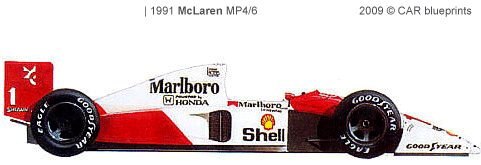
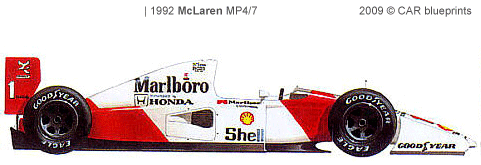
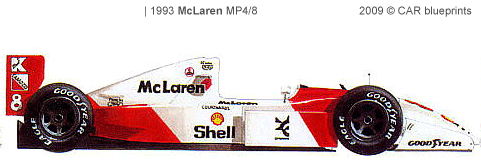
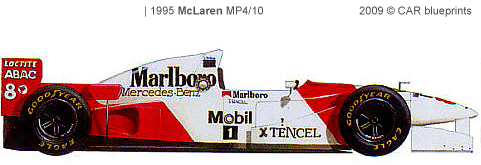
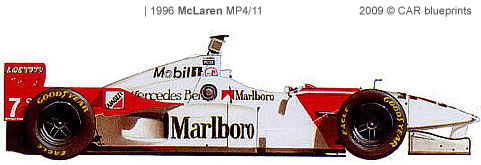
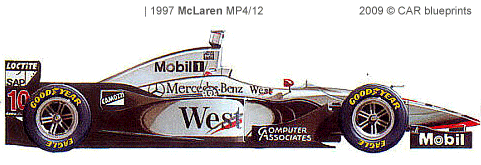
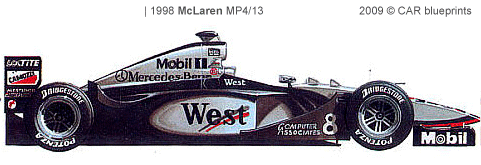
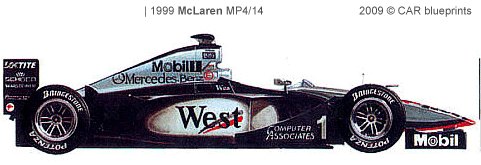
hier ist eine kleine mclaren formel 1 rennwagen sammlung ab 1980 bis heute. ich habe jetzt nicht bei 1966 angefangen, aber immerhin sind das gute 30 jahre.
M29 1980
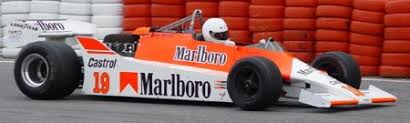
M29F 1981
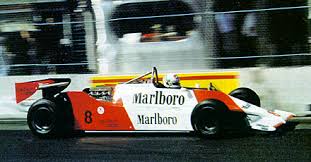
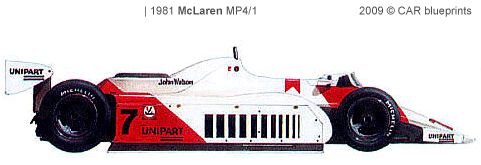
MP4/1B 1982
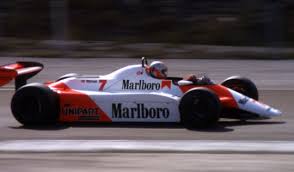

MP4/1C 1983
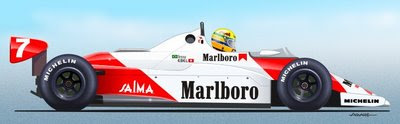
MP4/1E 1983

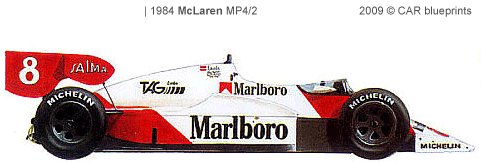
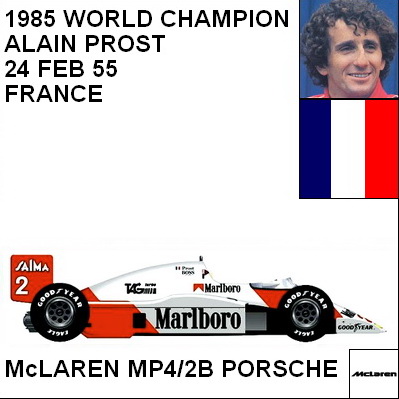
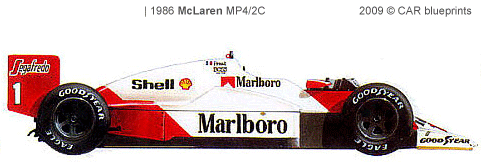
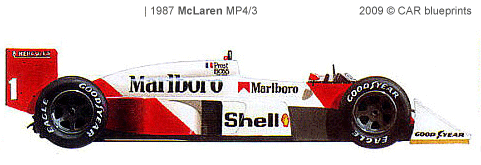
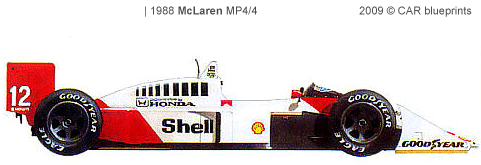
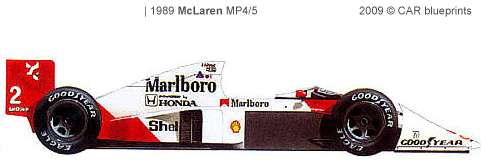
M29 1980
M29F 1981
MP4/1B 1982
MP4/1C 1983
MP4/1E 1983
Zuletzt geändert von 1885 am Mittwoch, 02. November 2011, insgesamt 1-mal geändert.
WER IS TÜFF ??
OFFICIAL FORMULA ONE WORLD CHAMPION 2011(c)
OFFICIAL FORMULA ONE WORLD CHAMPION 2011(c)
Mittwoch, 02. November 2011
MP4/5B 1990


testfahrten


...
testfahrten
...
WER IS TÜFF ??
OFFICIAL FORMULA ONE WORLD CHAMPION 2011(c)
OFFICIAL FORMULA ONE WORLD CHAMPION 2011(c)
Mittwoch, 02. November 2011

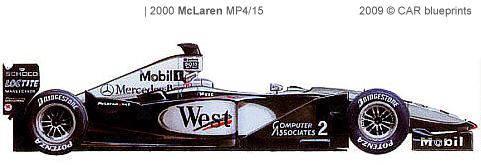
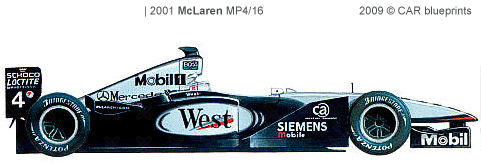
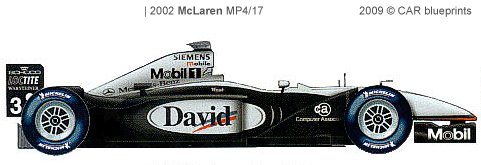
WER IS TÜFF ??
OFFICIAL FORMULA ONE WORLD CHAMPION 2011(c)
OFFICIAL FORMULA ONE WORLD CHAMPION 2011(c)
Mittwoch, 02. November 2011
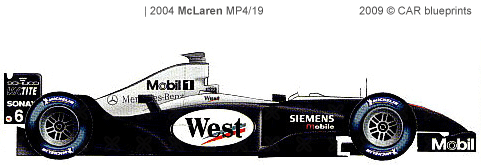
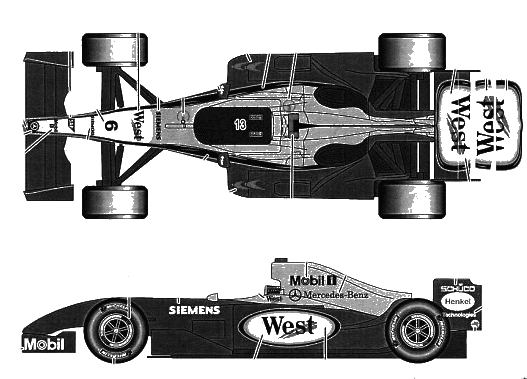
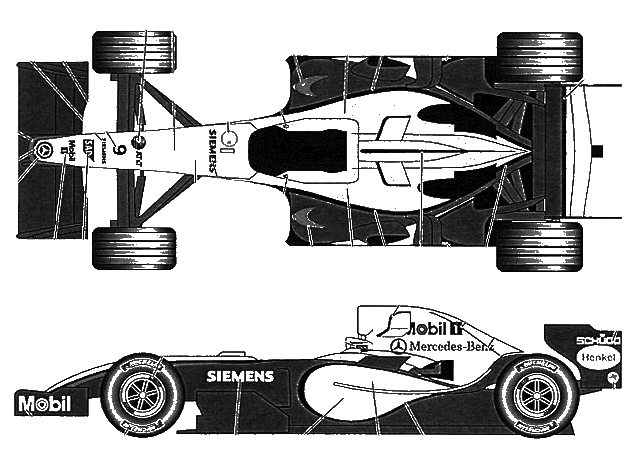
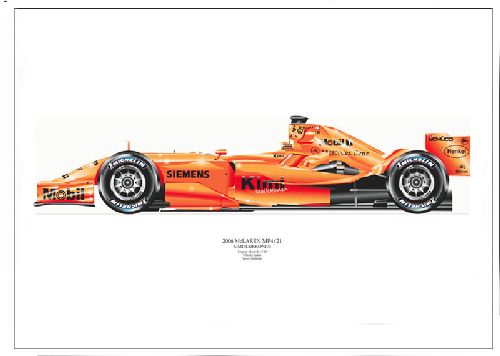
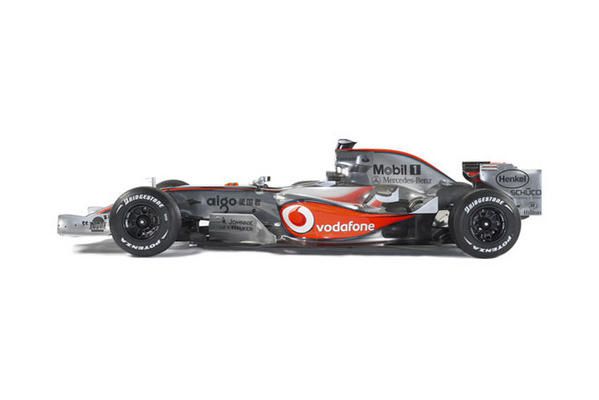
... 2003 war der MP4/18 von mike coughlan, adrian newey und neil oatley eine riesengrosse baustelle, bestand diverse tests nicht und hatte viele krankheiten. man fuhr praktisch 2003 mit dem weiterentwickelten 2002er MP4/17 (D) und arbeitete gleichzeitig, genauer gesagt versuchte alle möglichen probleme am MP4/18 für 2004 weg zu bekommen und taufte diesen dann in MP4/19 um...



WER IS TÜFF ??
OFFICIAL FORMULA ONE WORLD CHAMPION 2011(c)
OFFICIAL FORMULA ONE WORLD CHAMPION 2011(c)
Mittwoch, 02. November 2011

dein vermeintlicher mp29f von 1981 war ein m29f.
als mp (marlboro project) wurden erst jene autos bezeichnet, welche unter der führung von ron dennis neukonstruiert wurden.
als mp (marlboro project) wurden erst jene autos bezeichnet, welche unter der führung von ron dennis neukonstruiert wurden.
Mittwoch, 02. November 2011
1885 hat geschrieben:
hier ist eine kleine mclaren formel 1 rennwagen sammlung ab 1980 bis heute. ich habe jetzt nicht bei 1966 angefangen, aber immerhin sind das gute 30 jahre.
M29 1980
MP29F 1981
MP4/1B 1982
MP4/1C 1983
MP4/1E 1983
M29 1980
MP29F 1981
MP4/1B 1982
MP4/1C 1983
MP4/1E 1983
Na da tun sich aber Lücken auf .
Wenn wir beim M 29 anfangen und dann die Ausbaustufe M29F erwähnen ,sollten wir nicht vergessen das es zwischen A und F noch den einen oder anderen Buchstaben gibt .
Vom M 29 wurden ganze 5 Chassis gebaut Die M29B Version wurde Ende 79 vorgestellt und
hatte gegenüber der M29 Ausführung modifizierte aussenliegende Hinterradbremsen . Die M29C
Version kam 1980 und war etwas leichter als der M 29B. M;29 D und E kamen aus dem Versuchsstadium nicht raus und der sogenannte M 29 F waren die beiden Autos die 1981 noch mal
als letzter Versuch herhalten mussten .
Dann wollen wir den M 30 nicht vergessen ,der letzte Entwurf von Gordon Coppuck für McLaren .
War zwar nur ein Einzelstück der nur 3 Rennen durchgehalten hat ,ehe er bei einem Unfall in WatkinsGlen 1980 ein Fall für die Presse wurde .
Wo es einen MP 4/1 D und einen MP 4/1E gibt muss es auch einen MP 4/1 D gegeben haben .
Das war der erste Versuchsträger für den TAG Motor der später vom MP 4/1E abgelöst wurde
Mittwoch, 02. November 2011
mir fehlt dann auch der mp4/3B und ich entsinne mich, dass es eine c version war, welche über das schleizer dreieck gefahren wurde.
Mittwoch, 02. November 2011
x-toph hat geschrieben:
dein vermeintlicher mp29f von 1981 war ein m29f.
als mp (marlboro project) wurden erst jene autos bezeichnet, welche unter der führung von ron dennis neukonstruiert wurden.
als mp (marlboro project) wurden erst jene autos bezeichnet, welche unter der führung von ron dennis neukonstruiert wurden.
gut aufgepasst, mein fehler.
die bezeichnung mp4 kam erst nachdem ron dennis den laden gekauft hat und die neue bezeichnung einführte.
ich hatte ja noch extra den M29 dazu genommen, aber versehentlich beim M29F das P eingefügt. meine absicht war aber nicht, alle entwicklugsstufen aufzulisten, sondern einen überblick zu schaffen, bei dem man erkennt, wie stark sich die wagen, teilweise reglementbedingt, verändert haben.
WER IS TÜFF ??
OFFICIAL FORMULA ONE WORLD CHAMPION 2011(c)
OFFICIAL FORMULA ONE WORLD CHAMPION 2011(c)
Mittwoch, 02. November 2011
die bezeichnung mp4 kam erst nachdem ron dennis den laden gekauft hat und die neue bezeichnung einführte.
also ich bin nun nicht so bewandert in der historie von mclaren und ron dennis, aber war es nicht vielmehr so, dass das mp4 projekt von dennis schon vorab in der f2 bestand und schon zu dieser zeit die verbindung ron dennis/phillip morris bestand (neben der verbindung morris/mclaren) und dennis vom hauptsponsor auf das damals schwächelnde pferd mclaren gesetzt wurde, bzw. beide projekte zusammengezogen wurden, um mclaren wieder voran zu treiben?
gekauft wurde da also, meines erachtens nach, gar nichts.
Mittwoch, 02. November 2011
x-toph hat geschrieben:
mir fehlt dann auch der mp4/3B und ich entsinne mich, dass es eine c version war, welche über das schleizer dreieck gefahren wurde.
Was Watson auf dem Schleizer Dreieck fuhr war ein Showcar , ein McLaren MP 4/2 B Honda mit Ford V8 Motor
Mittwoch, 02. November 2011
x-toph hat geschrieben:
die bezeichnung mp4 kam erst nachdem ron dennis den laden gekauft hat und die neue bezeichnung einführte.
also ich bin nun nicht so bewandert in der historie von mclaren und ron dennis, aber war es nicht vielmehr so, dass das mp4 projekt von dennis schon vorab in der f2 bestand und schon zu dieser zeit die verbindung ron dennis/phillip morris bestand (neben der verbindung morris/mclaren) und dennis vom hauptsponsor auf das damals schwächelnde pferd mclaren gesetzt wurde, bzw. beide projekte zusammengezogen wurden, um mclaren wieder voran zu treiben?
gekauft wurde da also, meines erachtens nach, gar nichts.
Dennis gründete in den 70ern Poject Four ,ein Team das sowohl in der F3 als auch in der F2 mitmischte . Daneben war Poject Four maßgeblich am Aufbau der Procar-Serie mit den BMW M1 beteiligt
Die Bezeichnung "MP 4" stand ursprünglich für " Marlboro Poject Four "
und wurde später in McLaren Project Four " umbenannt .
Mittwoch, 02. November 2011
das ist ja alles nix neues und war auch gar nicht die frage.
vielmehr stellte ich in den raum, bin mir jedoch nicht sicher, dass vielmehr die verbindung morris/dennis zur integration von dennis project 4 in mclaren führte.
marlboro stand hinter dem project 3 von dennis sowie vermehrt hinter dem project4 von dennis in der f2 und f3.
vielmehr stellte ich in den raum, bin mir jedoch nicht sicher, dass vielmehr die verbindung morris/dennis zur integration von dennis project 4 in mclaren führte.
marlboro stand hinter dem project 3 von dennis sowie vermehrt hinter dem project4 von dennis in der f2 und f3.
Mittwoch, 02. November 2011
x-toph hat geschrieben:
das ist ja alles nix neues und war auch gar nicht die frage.
vielmehr stellte ich in den raum, bin mir jedoch nicht sicher, dass vielmehr die verbindung morris/dennis zur integration von dennis project 4 in mclaren führte.
marlboro stand hinter dem project 3 von dennis sowie vermehrt hinter dem project4 von dennis in der f2 und f3.
vielmehr stellte ich in den raum, bin mir jedoch nicht sicher, dass vielmehr die verbindung morris/dennis zur integration von dennis project 4 in mclaren führte.
marlboro stand hinter dem project 3 von dennis sowie vermehrt hinter dem project4 von dennis in der f2 und f3.
Philipp Morris /Laussane stand hinter dem Projekt . Dort wollte man Dennis mit McLaren zusammen bringen ,was dann auch funktionierte . Zuerst wollte Marlboro mit Dennis ein eigenständiges
F1 Team gründen und Barnard arbeitete auch schon an dem MP 4 F1 Projekt . Dann ergab sich die Möglichkeit der Übernahme von McLaren
und mit Gründung von McLaren International Ltd. ging das Projekt in McLaren über
Dienstag, 09. Juni 2026
Werbung ausschalten|
Motorsport-Magazin.com Plus|
Magazin bestellen|
ePaper|
Unterstütze uns|
Apps|
Newsletter|
RSS
Mein Motorsport-Magazin.com
Registrieren|Login